
Supporting Estrogen Detox and Restoring the Estrobolome
Do you know that you can help to restore estrogen balance by focusing on gut health?
Most of us are familiar with the gut-brain connection, but there is also gut-hormone connection
When a woman goes through menopause, their gut microbiome starts to look more like a man’s. There is less diversity because there is less estrogen. Wow!
That means that the peri and post menopausal years can bring on new onset IBS, leaky gut, histamine intolerances, autoimmune disease and mood disorders.
Here’s potentially a new word. Estrobolome.
The estrobolome is an entire microbiome solely dedicated to regulating estrogens – it’s made up of a unique subset of bacteria within the gut’s microbiome, and it is responsible for metabolizing hormones and regulating the amount of circulating estrogens in your body. A well functioning estrobolome, it ensures the amount of estrogen in your body is just right – not too high and not too low. The estrobolome is influenced by diet, alcohol, stress, environmental exposures, genetics, and medications, so we need to be mindful about what we introduce into our body.
Estrogen can be tricky to metabolize, as there are a number of steps (and organs) that it needs to be processed through, namely your liver and your gut.
If there you have intestinal dysbiosis (unhealthy bacteria, fungus or parasites), or if your liver is not metabolizing your estrogen (because it’s backed up by alcohol, chemical etc), your estrogen metabolism get backed up (literally) and you end up with high levels of estrogen circulating in the body.
When the estrobolome bacteria is not in balance, or the liver is not functioning well, you can experience irregular periods, premenstrual bloating, recurrent yeast or vaginal infections, HPV, low libido, infertility, weight struggles, menstrual headaches and mood swings.
Estrogen (what you make, or what you take) also helps to increase the diversity in the gut, and helps to keep the lactobacillus the predominant flora in the female reproductive tract (vagina, vulva, fallopian tubes, endometrium).
Now let’s talk about the liver.
There are three primary types of estrogen that get broken down in your liver.
Estrone (E1): Estrone is the most common type of estrogen produced after menopause.
Estradiol (E2): Estradiol is the most abundant type of estrogen found in women during their reproductive years and is primarily produced in the ovaries, the adrenals, and the placenta during pregnancy. When this form of estrogen is high in relationship to progesterone, it is found to play a role in conditions such as endometriosis, fibroids, and cancers of the uterus, ovaries, and breasts.
Estriol (E3): Estriol is the most common estrogen produced during pregnancy and the least potent form of estrogen.
The hormones above will be broken down in the liver into the following metabolites: (Some estrogens metabolites are protective. Others are not. )
The estrogen metabolite, 2-hydroxyestrone (2-OH-E1) is considered a “good” estrogen metabolite. These can help control cell growth triggered by estradiol and prohibit cell division in breast tissue.
Other metabolites, such as 16-hydroxyestrone (16-OH-E1) and 4-hydroxyestrone (4-OH-E1), are considered “bad” estrogen metabolites. These can cause oxidative damage to cells and DNA and have been associated with an increased risk of breast cancer and other female type cancers as well as fibroids.
After they have been metabolized in the liver, they finally get to your gut, and are broken down further by an enzyme called beta-glucuronidase, produced by the bacteria in the estrobolome.
The estrogen either gets absorbed back into the body to be recirculated or gets excreted in our urine and/or poop, so essentially, at the point at which it reaches the gut, it is the estrobolome that helps to maintain and recycle estrogens. And as we age, and start to naturally decline in our estrogen synthesis, it is beneficial that some estrogen gets re-absorbed.
Here are a few ways to support estrogen detoxification in the liver and help restore your estrobolome.
With any hormonal issues present, start with gut health and repair.
The first step is identifying dysbiosis present in the gut. We can do this through stool testing usually, (or we can base it on symptoms such as bloating, stool changes, chronic vaginal infections, or reflux).
After the culprit/s are identified, it’s time for treatment, but also nervous system restoration by working on the autonomic nervous system and the vagus nerve. Then, it’s time to repopulate the gut with appropriate and specific strains of probiotics. That’s a very quick nutshell version.
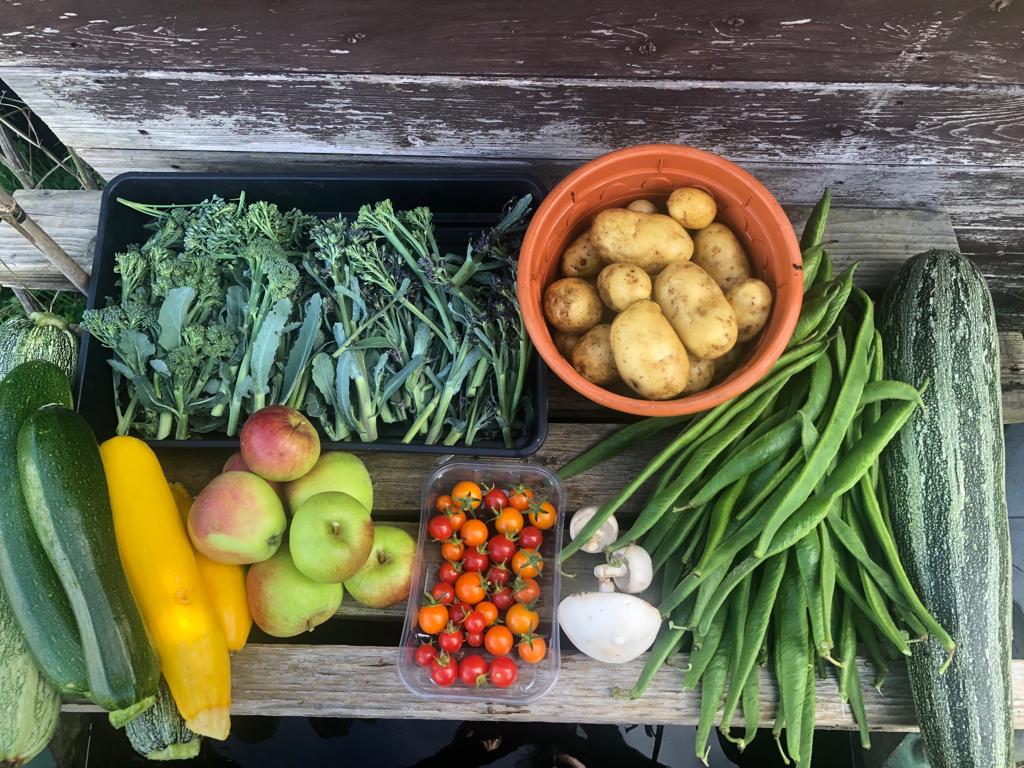
Fiber: Plant-based foods high in dietary fiber are one of the best food groups for supporting gut health and a robust and diverse microbiome. Fiber feeds bacteria (fiber = prebiotic). Women need about 25-30 grams of combined fiber per day.
The best sources of fiber are whole grains, nuts, seeds, legumes, beans, avocado, kiwi, broccoli, cabbage, Brussels sprouts, cauliflower, artichokes, and leafy greens are all great sources of fiber.
Plus, fiber-rich foods help to keep you pooping at least once daily! Daily bowel movements are the key to healthy estrogen levels and hormones!
Side note about fiber, I recommend 30 plant varieties per week, with 25-30 grams of fiber per day (work up slowly!). Most Americans get a maximum of 15 grams. And yes, it’s important to poop everyday.
Probiotics: After identifying any microbial imbalance through testing, it’s time to reseed your gut and restore the gut microbiome balance with pre-and probiotic foods and supplements. I often recommend probiotic foods like yogurt, sauerkraut, and kimchi and prebiotic foods like artichoke, garlic, onion, grapefruit, and legumes.
Specific probiotic strains can also be helpful, especially if you are dealing with recurrent vaginal infections, HPV, and infertility. I recommend these strains: Lactobacillus rhamnosus, Lactobacillus reuteri, and Bifidobacterium longum.
Foods: The bracacasia family foods also help to keep estrogen levels healthy by supporting estrogen and xeno- estrogen metabolism/detoxification. (Xenoestrogens are a subset of Endocrine disrupter chemicals that mimic estrogen in the body. ) Check out my blog entry on Endocrine Disruptors here.
Fermented foods (like fiber ) help to seed the microbiome, and with a healthy microbiome, you will have more production of beta-glucuronidase, which helps to recycle those estrogens.
Testing.
Do you want excessive beta-glucuronidase, NO! You want a perfect balance. When significant dysbiosis is present, beta-glucuronidase can be too active, and this may result in increased reabsorption of estrogen, and for cycling younger women, this can be quite a problem.
So, don’t guess, ASSESS with stool testing. With testing, you learn about your levels of beta-glucuronidase, but at the same time you can discover the biome that makes up your gut (and vaginal) tract.
Stool tests, (my fav is the GI MAP), can check beta-glucuronidase levels, as well as bacteria(the good, bad and the ugly). There are also “functional” markers that measure how you are digesting foods, as well and immune and inflammation markers.
DUTCH Test. The DUTCH test looks at the three types of estrogens and their metabolites, androgens (DHEA, testosterone) and their metabolites, progesterone metabolites, and methylation activity related to estrogen deification in your liver.
MicroBiome Labs Vaginal Kit. This is a swab test specific for the vaginal microbiome.
Vaginal Health tips:
Do you know that only 9% of the gut microbiome is also in the female reproductive tract. And, when estrogen levels get lower, and the estrobolome is less robust, it can also start to decrease the health of the vagina.
In order for the vagina to be a healthy and happy place, estrogen needs to stimulate vaginal cells to make glycogen. This glycogen helps the structural integrity and keeps the vagina appropriately acidic. Then our critical lactobacillus grows and further potentiates the appropriately acidic environment of the vagina.
During those menopausal years, many women struggle with vaginal dryness, irritation, dyspareunia and more recurrent vaginal and urinary tract infections.
And when/if the alkaline semen (or soaps) enters, that can be very disruptive to the pH balance, further potentiating the issues in the vagina.
How to support your vagina and a healthy pH.
- Restore the gut microbiome.
- Think of the vagina as a self cleaning oven. It really doesn’t need internal soaps. Probiotic and vitamin E suppositories, yes.
- For a woman who struggles with chronic BV, penetrative sex with semen should be protected with a condom.
- A vaginal probiotic protocol should be initiated before your period, as menstrual blood can also change the vaginal ph.
- For post menopausal women with thin vaginal tissue, consider Vitamin E, estriol or aloe.
- Accentuate the beneficial strains of vaginal probiotics that help to shift the vaginal microbiome back to being predominately lactobacilli.
So as you can see, balance requires multi-organ cooperation and proper function. And for many people, the restoration and function can be improved with some dietary changes, and cleaning up the environmental toxicants (that includes personal care products, detergents and alcohol) that are taxing our livers.

